




Analysis of BS EN 1677 Standard for Sling Components
Time:2026-05-19 09:35:20Click:
BS EN 1677-1:2000+A1:2008 Safety Standard for Grade 8 Forged Steel Sling Components
Overview of European Safety Standards for Grade 8 Forged Steel Sling Components
In the process of standardized development of the global lifting and rigging industry, sling connection components, as core safety accessories for lifting operations, are widely used in various scenarios such as engineering hoisting, industrial handling, and heavy equipment transportation. To unify the design and production specifications of Grade 8 forged steel sling components, strictly control product safety performance, and break down trade barriers to the EU market, the European Committee for Standardization has officially introduced the BS EN 1677-1:2000+A1:2008 safety standard. This standard establishes safety technical guidelines specifically for Grade 8 forged steel sling components and serves as an authoritative compliance document necessary for exporting products to the European market.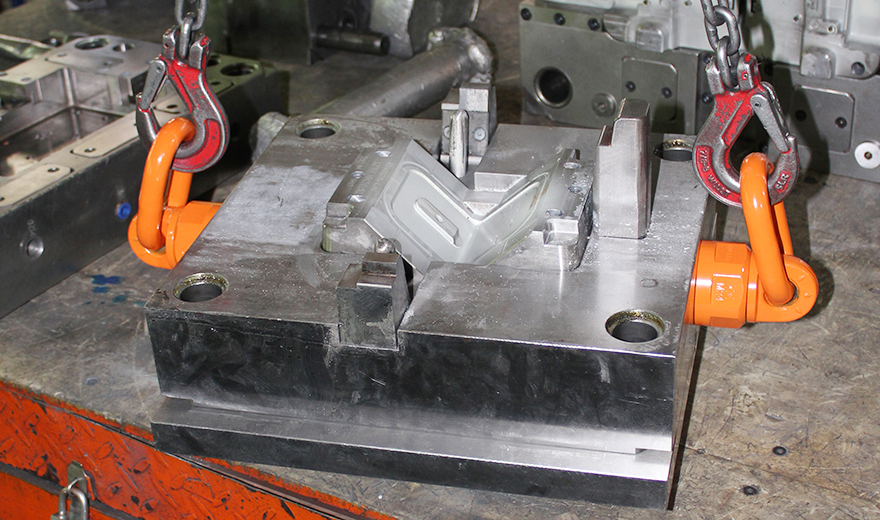
This standard explicitly defines its scope as Grade 8 forged steel sling components with a rated working load (WLL) of up to 63 tonnes, which are compatible with mainstream rigging configurations such as chain slings, wire rope slings, and synthetic fibre slings. It comprehensively regulates forged load-bearing components including hooks, shackles, connecting links, and pins, and serves as a general technical framework for the production, inspection, acceptance, and export trade of lifting and rigging accessories.
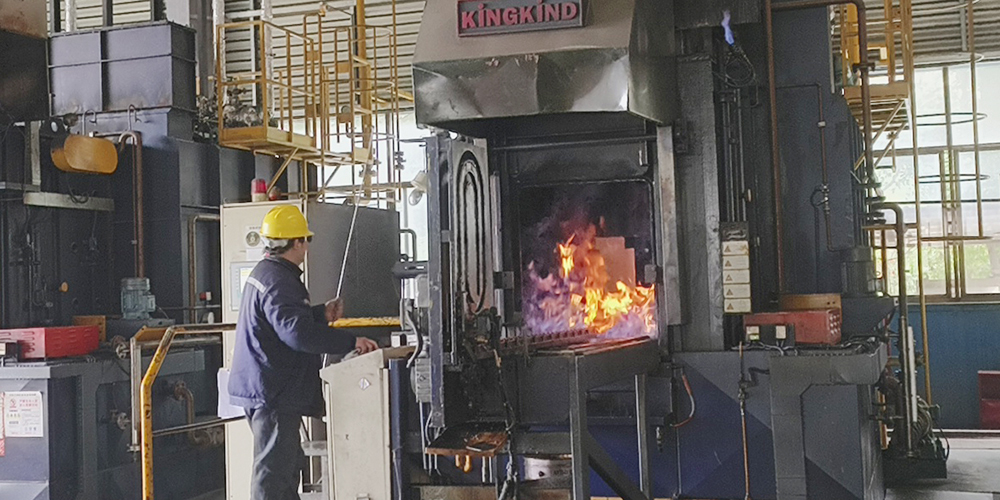
At the level of raw material selection and heat treatment processes, this standard sets extremely stringent mandatory requirements. All Grade 8 forged load-bearing components must be smelted and forged from high-quality alloy structural steel, with strict control over the internal chemical composition of the steel, a reasonable proportion of alloying elements such as nickel, chromium, and molybdenum, and strict control over the content of harmful impurities such as sulfur and phosphorus, so as to fundamentally eliminate brittle defects in the steel. In the heat treatment process, finished components must undergo a complete quenching and tempering process, with the minimum tempering temperature strictly specified to comprehensively improve the overall strength, toughness, and impact resistance of the product. Local surface hardening of core load-bearing pins is strictly prohibited to avoid the risk of fatigue fracture under long-term load-bearing conditions.
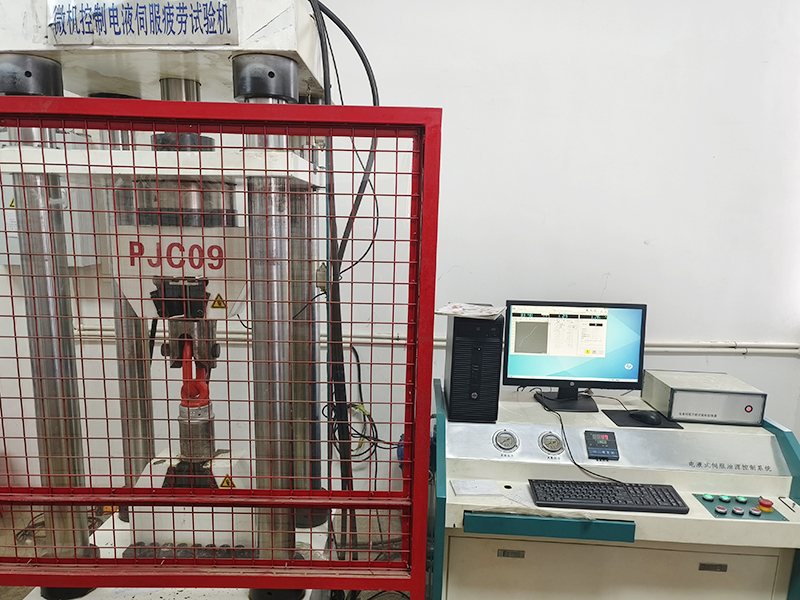
In terms of core mechanical safety performance, this standard establishes unified and rigorous load evaluation indicators. All qualified Grade 8 forged steel components shall meet the dual safety factor requirements for proof load and minimum breaking load during production verification.After undergoing proof load testing, the overall dimensional deformation of the products shall not exceed the specified limits to ensure stable service performance of components. Meanwhile, the minimum breaking load shall comply with the standard safety magnification, guaranteeing sufficient safety margin during hoisting operations and preventing sudden fracture failures.For high-frequency cyclic hoisting working conditions, the standard additionally specifies fatigue performance test requirements. Qualified forged components must withstand no less than 20,000 cyclic load tests while maintaining intact structure and stable mechanical properties, so as to satisfy the service demands of long-term repeated lifting operations.
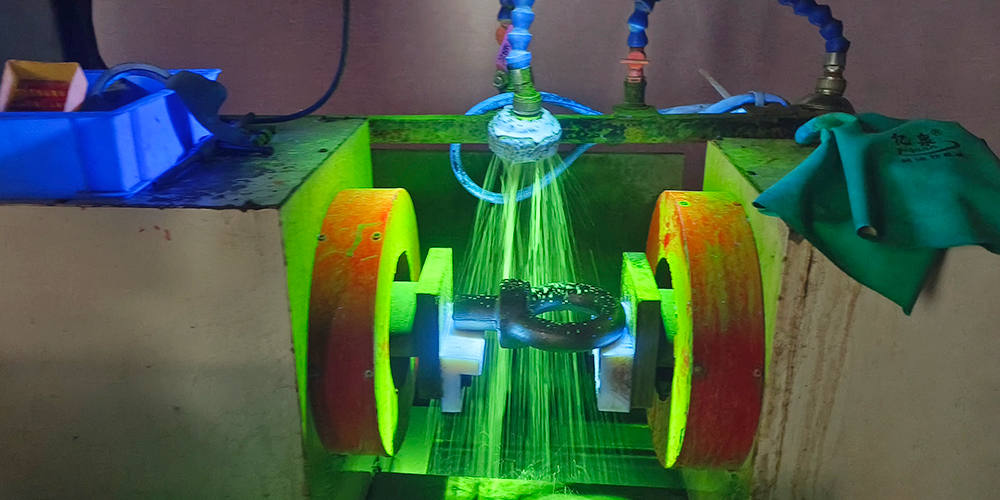
Standardized control requirements are also implemented throughout the production and manufacturing process. Grade 8 forged steel components for lifting slings adopt integral one-piece forging forming technology. Welding repair operations are prohibited in core load-bearing areas. All edges and corners of components are processed with smooth transitions to effectively reduce stress concentration and extend service life.After forging and heat treatment, all components must undergo magnetic particle inspection in accordance with EN10228-1 standard to fully detect hidden defects such as surface cracks, internal slag inclusions and micro-fractures. Any products with excessive defects shall be deemed unqualified and strictly prohibited from entering the market.
To ensure consistent quality of mass-produced products, this standard establishes a comprehensive system for type tests and factory sampling inspection and acceptance. Before the production of new-specification products, a full set of type tests including tensile breaking test, load deformation test and fatigue durability test must be completed. Mass production is only permitted after all test samples pass the inspection.Different inspection schemes are formulated for mass-produced products based on manufacturers" quality system certification qualifications. Manufacturers certified by authoritative quality systems may adopt simplified sampling inspection procedures, while those failing to meet relevant standards shall implement full inspection together with batch sampling re-inspection. This approach fully controls the quality of finished products before delivery, clarifies the disposal specifications for non-conforming products, and strictly safeguards the bottom line of factory outgoing product quality.
Product marking, factory documentation as well as storage, transportation and application procedures are also incorporated into the scope of standard management. Each Grade 8 forged sling component shall be embossed with permanent and clear markings indicating key information including load-bearing grade, rated load, manufacturer and traceability number. The markings feature excellent wear resistance and will not peel off or become indistinct during long-term service.Formal factory quality certificates shall be delivered together with products upon delivery, which clearly specify applicable standard number, product specifications, mechanical test data and qualification statements, fully meeting overseas clients’ demands for customs clearance, goods inspection and project acceptance.In addition, this standard regulates product packaging, transportation and warehouse protection requirements. Adequate anti-rust and anti-collision measures shall be taken to prevent finished products from deformation, corrosion and damage during circulation.
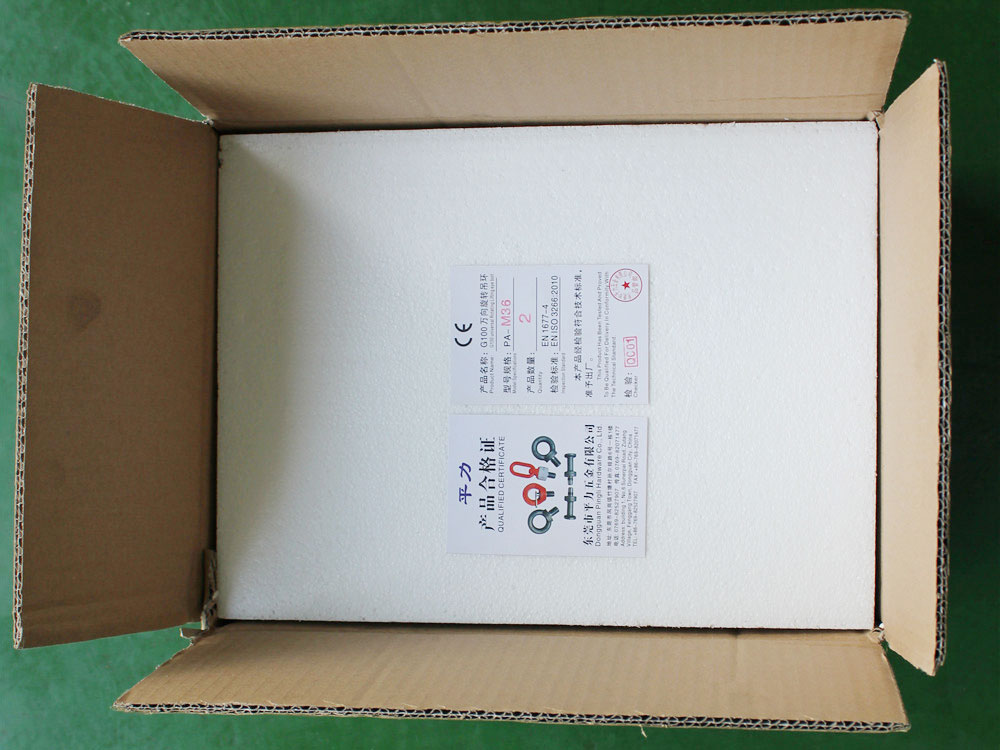
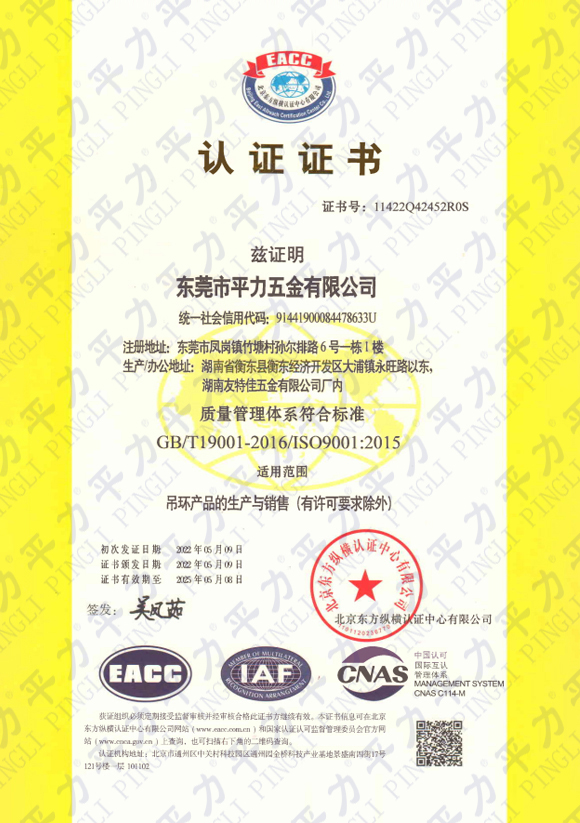
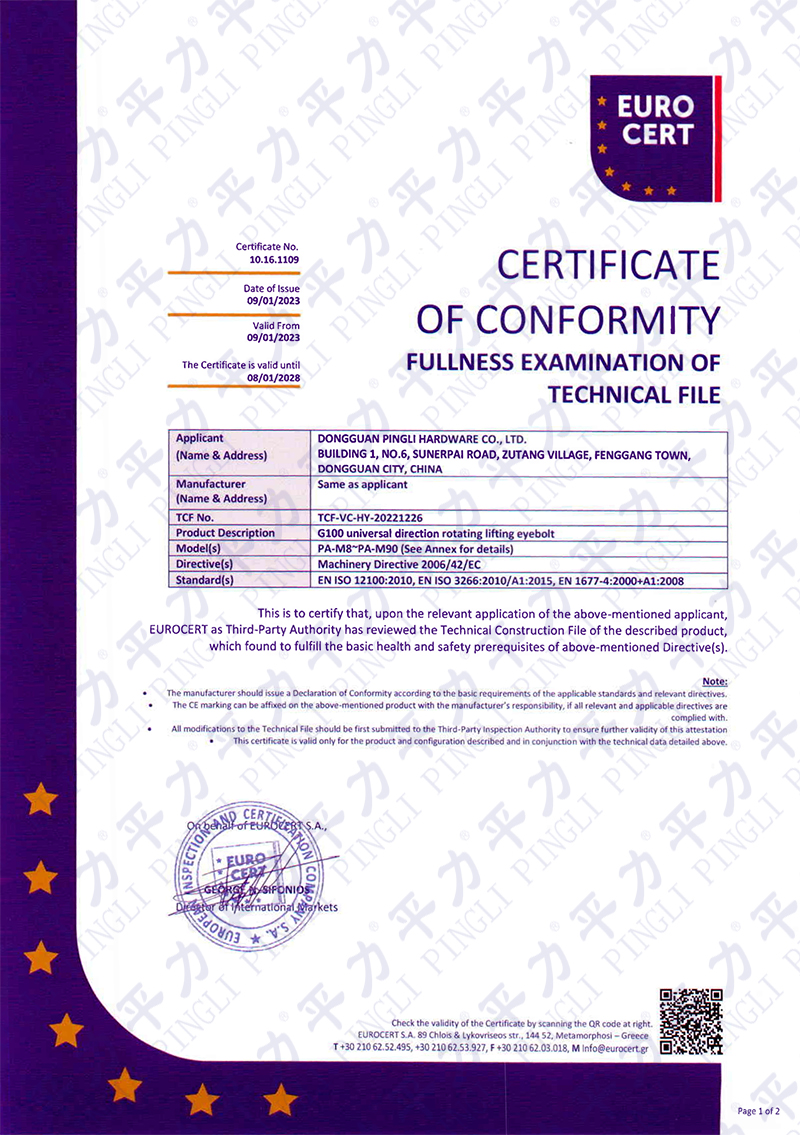
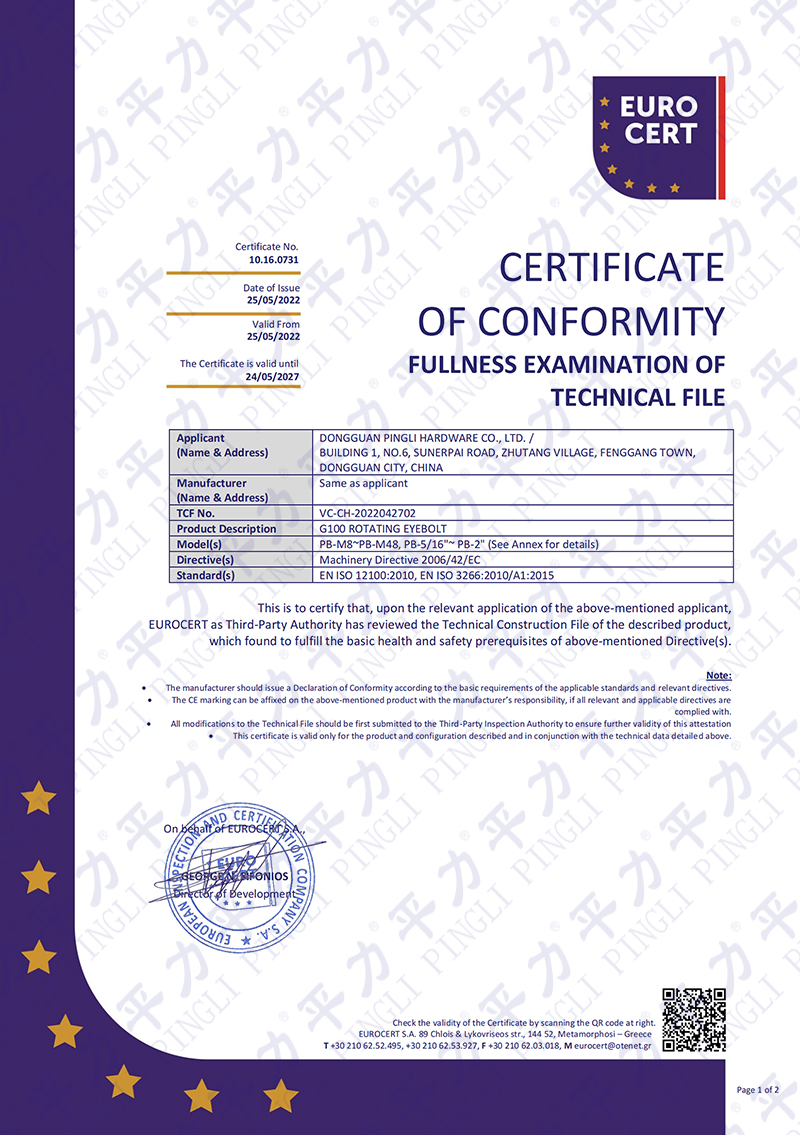
BS EN 1677-1:2000+A1:2008, as a harmonized safety standard aligned with the EU Machinery Directive, contains provisions with which Grade 8 forged steel sling components must fully comply. Such components can then be directly presumed to conform to the basic safety regulations for EU lifting equipment, thus enabling smooth market circulation and application across all European countries.
This standard not only unifies the technical parameters and quality thresholds of international Grade 8 lifting accessories, but also greatly raises the overall safety factor of hoisting operations. It standardizes the industrial production order and provides solid compliance support for domestic lifting accessory manufacturers to expand overseas foreign trade markets, serving as an indispensable core safety technical specification in the modern hoisting industry.


 Hot Sale
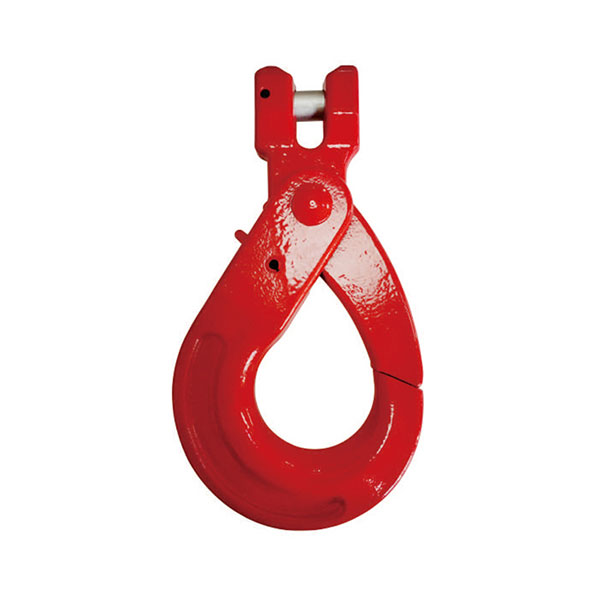 G80 Clevis Self Locking Hook
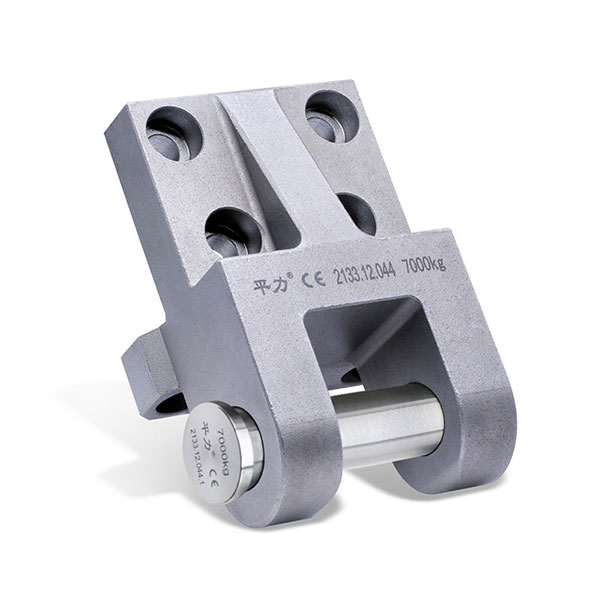 Mold Lifting Lugs 2133.12 Series
 G80 Alloy Steel Extension Rods for Lifting Eyebolt
 PC Series G80 Alloy Steel Lifting Eyebolt
 PE Series G80 Swivel Lifting Eyebolt
 PA Series G100 Universal Swivel Lifting Eyebolt